 ultimate-guide
How Should You Plan a European River Cruise?
Last Updated: October 25, 2026
Quick Summary
European river cruise planning involves selecting your river route, booking 6-12 months ahead for peak season, and budgeting 20-30% above advertised fares for flights, hotels, and premium excursions. Smaller ships carry 100-200 passengers with all-inclusive meals and basic excursions, while fall offers the best balance of weather, crowds, and pricing.
- European river cruises carry 100-200 passengers versus 3,000+ on ocean ships, providing fewer crowds and access to smaller ports
- Fall (September-October) offers the best value with pleasant weather, thinning crowds, and significantly lower prices than summer
- Standard all-inclusive fares cover meals, most beverages, and basic shore excursions, but specialty dining, premium excursions, and spa services cost extra
- Book 6-12 months ahead for peak-season sailings to secure better cabin selection and pricing
- Rhine cruises experience more water-level issues than Danube cruises, particularly during dry summers or early spring
Table of Contents
- Understanding European River Cruises and What Makes Them Different
- What's the Best Time to Take a European River Cruise
- Choosing Your European River Cruise Routes and Itineraries
- Selecting Cruise Length, Departure Date, and Ship Size
- European River Cruise Packing List and Pre-Cruise Preparation
- European River Cruise Booking Tips and Budget Planning
- Planning Shore Excursions, Sightseeing, and Active Activities
- Essential Tips for First-Time River Cruisers
- Frequently Asked Questions
Understanding European River Cruises and What Makes Them Different
European river cruise planning differs fundamentally from ocean cruise planning. Smaller vessels navigate inland waterways, stopping directly in city centers rather than distant ports.
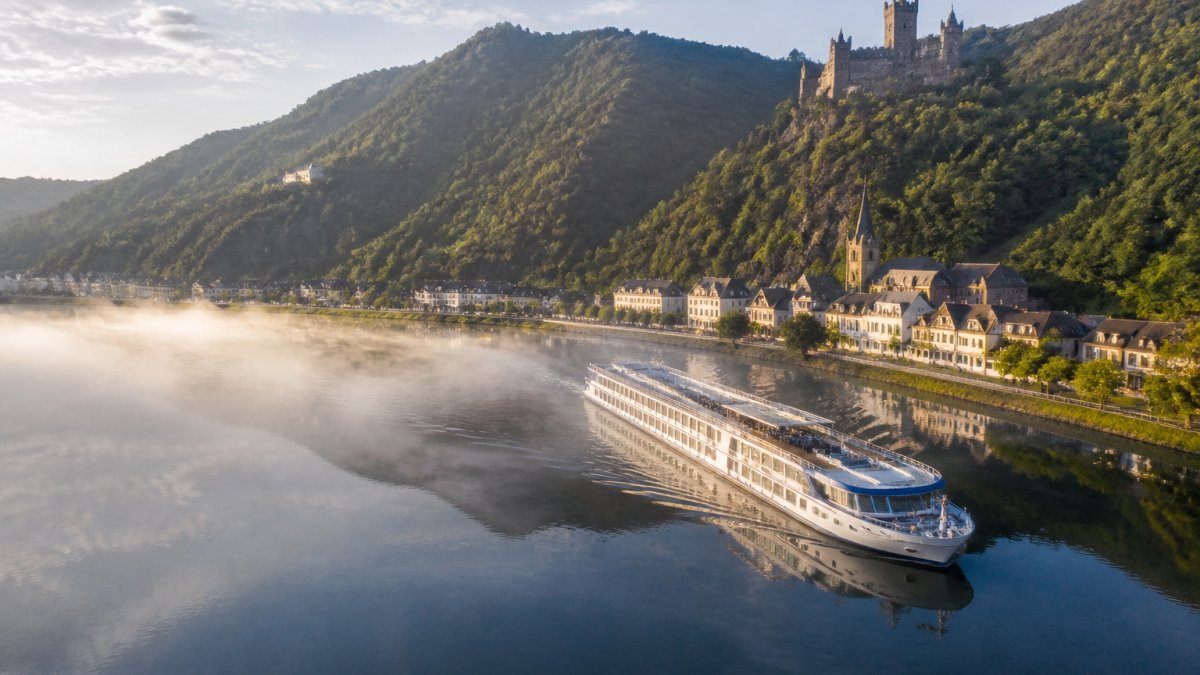
European river cruises typically carry 100-200 passengers versus 3,000 or more on ocean ships.
The all-inclusive model is standard on European river cruises: fares typically include meals, most beverages, and basic shore excursions in each port.
At Gangway Vacations, we help first-time river cruisers navigate this distinction.
What's the Best Time to Take a European River Cruise
The best time depends on your priorities: weather, crowds, pricing, and what you want to see. Each season carries trade-offs.
Spring (April-May): Mild weather, blooming flowers, and lighter crowds than summer.
Fall (September-October): The best balance.
Winter (November-March): Christmas market season on the Danube and Rhine, with festive decorations, mulled wine, and holiday markets in every port.
The shoulder seasons, April-May and September-October, offer the best value and experience balance: comfortable weather without peak-season pricing and crowds.
Choosing Your European River Cruise Routes and Itineraries
Your choice of river is central to European river cruise planning and determines the character of your cruise. Each major European river cruise route offers distinct landscapes, cities, and cultural experiences.
Danube River: Classic Cities and Historic Villages
The Danube flows through ten countries, making it the most versatile European river cruise destination. Classic itineraries depart from Budapest or Vienna, visiting Bratislava, Passau, and Linz, and navigate the Wachau Valley, a UNESCO World Heritage site with terraced vineyards and castle ruins.
Danube cruises appeal to culture-focused travelers, with excursions emphasizing history, architecture, and museums. A typical 7-day itinerary covers 500 miles and 4-5 major port stops. The river is wide and stable, making it reliable year-round, and December Christmas market cruises are exceptionally popular.
The main drawback: Danube itineraries are popular, so early booking is essential.
Rhine River: Castles, Wine Country, and Mountain Views
The Rhine flows from Switzerland to the Netherlands, offering dramatic scenery. The Middle Rhine Valley, between Mainz and Cologne, features castle-dotted hillsides and terraced vineyards.
Rhine cruises attract active travelers, with excursions involving hiking, biking, or wine tastings.
Water-level issues affect Rhine cruises more than Danube cruises. During dry summers or wet springs, river levels can fluctuate enough to require itinerary changes.
Seine River: Paris and Normandy Countryside
The Seine offers a more intimate, slower-paced experience. Most Seine cruises run 7 days and focus on Paris, Rouen, and Normandy ports, with 1-2 days docked in Paris itself for deeper exploration.
Seine cruises suit travelers who want cultural immersion and art. The narrow river means smaller ships (often 200-250 passengers), and excursions emphasize museums, galleries, and literary landmarks.
The trade-off: You see fewer destinations overall. A Seine cruise visits 4-5 ports compared to 7-8 on the Danube or Rhine.
Selecting Cruise Length, Departure Date, and Ship Size
European river cruise lengths typically range from 7 to 14 days. Most travelers choose 7-day itineraries, which balance exploration with vacation time.
10-14 day cruises allow deeper exploration: 8-10 ports, pre- or post-cruise city stays, or two rivers in one journey. These suit travelers with more vacation time and budget.
Shorter cruises (3-5 days) exist but are less common. They work as add-ons to European vacations but feel rushed as standalone trips.
Ship size affects your experience.
Your departure date locks in pricing and crowds. Booking 6-12 months ahead secures better cabin selection for peak-season sailings.
European River Cruise Packing List and Pre-Cruise Preparation
Packing for a river cruise differs from ocean cruising: temperate climates, a new port daily, and plenty of exploring on foot.
Essentials:
- Comfortable walking shoes (you'll explore 2-4 hours daily)
- Layers (weather changes throughout the day and across regions)
- Lightweight rain jacket
Avoid overpacking. Cabins are smaller than ocean cruise staterooms. Most travelers manage with a carry-on and one checked bag.
Pre-cruise preparation matters.
Notify your bank of travel dates. Confirm any special dietary needs with your cruise line at least 30 days before departure.
European River Cruise Booking Tips and Budget Planning
Booking strategy significantly impacts your total cost and experience quality.
Understanding All-Inclusive Pricing and Hidden Costs
European river cruises advertise all-inclusive fares, but understanding what's included prevents budget surprises. Standard inclusions are meals, most beverages, and basic shore excursions; exclusions typically include specialty dining, premium excursions, spa services, travel insurance, and gratuities.
A $3,000 per-person cruise fare might have $800-1,200 in additional costs when you factor in flights, pre-cruise hotels, premium excursions, and onboard spending. Budget accordingly. Travel planning guides from the U.S. Travel Association recommend setting aside 20-30% above the advertised cruise fare for incidental expenses.
Gratuities are expected but not mandatory. Most cruise lines suggest $12-15 per person per day. Some lines include gratuities in the fare; others add them automatically at the end.
Booking in Advance vs. Late Booking Strategies
Advance booking (6-12 months ahead) secures better cabin locations and pricing for peak-season sailings.
Late booking (within 60 days) offers discounts as cruise lines fill remaining cabins, but selection is limited and you risk missing your preferred departure date.
Shoulder-season booking (April-May or September-October departures) offers the best value-to-experience ratio. You avoid peak-season pricing while maintaining excellent weather and manageable crowds.
Cabin Selection and Onboard Experience Considerations
Cabin choice affects both cost and satisfaction.
Deck location matters. Mid-ship cabins experience less motion. Higher decks offer better views but may have less soundproofing.
Accessible cabins require early booking, they're limited. If you need mobility accommodations, reserve at least 6 months ahead.
Onboard experience depends partly on ship size and cruise line.
Cruise line accessibility information from the Department of Transportation requires disclosure of accessibility features.
Planning Shore Excursions, Sightseeing, and Active Activities
Shore excursions transform a river cruise from passive sightseeing into active exploration.
Included excursions are valuable but often crowded. You'll join 50-100 fellow cruisers on a standard walking tour.
Premium excursions offer specialized experiences.
Independent exploration is viable on river cruises.
Active travelers should research excursion difficulty levels. Some cruises emphasize hiking and biking; others focus on museum visits and leisurely walks.
Essential Tips for First-Time River Cruisers
First-time river cruisers often make predictable mistakes. Learn how to plan your first cruise with a comprehensive step-by-step guide designed for maiden voyages.
Mistake 1: Underestimating the pace. River cruises move constantly.
Mistake 2: Booking without understanding water-level risks. The Rhine and Danube experience seasonal water-level fluctuations.
Mistake 3: Overpacking excursions. You don't need to book every premium excursion offered.
Mistake 5: Arriving unprepared for the physical demands. River cruises involve daily walking. Comfortable shoes are non-negotiable.
Gangway Vacations helps first-time cruisers avoid these pitfalls.
Planning a European river cruise requires balancing route selection, seasonal timing, budget realities, and personal preferences. The rivers of Europe reward careful planning with experiences that stay with you for years. Travel advisory information from the U.S. State Department provides current safety and documentation requirements for European travel. When you're ready to move from planning to booking, book your cruise with a travel advisor who handles the logistics so you can focus on anticipating the journey itself.
| Planning Element | Key Consideration | Best Timing |
|---|---|---|
| Route selection | Landscapes, cities, cultural focus | Early (3-6 months before) |
| Seasonal timing | Weather, crowds, water levels, pricing | 6-12 months for peak season |
| Cabin choice | Balcony vs. inside, deck location, accessibility | 6-12 months ahead |
| Excursions | Included vs. premium, activity level | At booking or 60 days before |
| Travel insurance | Covers cancellations, medical, itinerary disruption | At booking |
| Pre/post-cruise stays | Cities to explore before or after sailing | 3-6 months ahead |
Frequently Asked Questions
What's the best time to take a European river cruise?
Spring (April-May) and fall (September-October) offer ideal weather, smaller crowds, and lower fares than peak summer. Christmas markets along the Danube and Rhine attract cruisers in late November through December. Summer (June-August) brings warm weather but higher prices and crowded ports. Winter months can mean lower water levels affecting itineraries, particularly on the Danube. Consider your tolerance for crowds and budget when choosing your travel dates.
How far in advance should you book a European river cruise?
Booking 6-12 months ahead secures better cabin selection and more flight options. For peak seasons (summer and Christmas markets), book 9-12 months in advance. Shoulder season cruises (April-May, September-October) can often be booked 4-6 months out. Late booking deals exist but sacrifice cabin choice and flight flexibility. Early booking also allows time to arrange visas, travel insurance, and coordinate flights with your cruise departure date.
How do you choose the best European river cruise route?
Consider your interests: the Danube suits history and classic cities; the Rhine emphasizes wine regions and castles; the Seine focuses on art and Parisian culture. Evaluate cruise length (7-14 days are standard), number of ports, and onboard amenities. Research which cruise lines operate each river, compare passenger capacity (smaller ships access more villages), and check which shore excursions appeal to you. First-time cruisers benefit from 7-10 day itineraries that balance exploration with time to adjust to shipboard life.
What should you pack for a European river cruise?
Pack layers for variable weather, comfortable walking shoes for shore excursions, and a light jacket for cool evenings. Bring formal or business-casual attire for optional elegant dinners. Medications, travel documents, and a small daypack are essential. Leave room in luggage for purchases. Avoid heavy winter coats unless cruising in December. River cruises have laundry facilities, so you can pack fewer clothes than ocean cruises. Check your cruise line's dress code and specific river conditions for the season you're traveling.
Are European river cruises good for first-time cruisers?
Yes. River cruises are ideal for first-timers because ships carry fewer passengers than ocean cruises, creating a more intimate experience. Itineraries dock in city centers rather than isolated ports, making shore excursions accessible without long tenders or shuttle buses. Onboard life is relaxed with fewer crowds. All meals and many excursions are included, reducing planning stress. The slower pace and smaller ship size appeal to travelers intimidated by massive ocean vessels. First-timers should choose 7-10 day itineraries and book with a travel advisor to handle logistics.
What should you know about river cruise excursions before booking?
Most river cruises include guided shore excursions at each port, though some are optional. Excursions range from leisurely sightseeing walks to active adventures like hiking or cycling. Book active excursions early if you have mobility concerns or specific interests. Many cruises offer both included and paid optional excursions. Plan your schedule to balance included activities with free time to explore independently. Research excursion difficulty levels and duration before booking to ensure they match your fitness level and interests.
What are the main differences between river cruise lines?
River cruise lines vary in ship size, passenger capacity, itineraries, and onboard style. Smaller luxury lines offer more exclusive experiences and access to smaller ports. Mid-size operators balance amenities with intimate atmospheres. Larger lines provide more activities and entertainment. Pricing, included amenities, and staff expertise differ significantly. Some specialize in active cruises while others focus on cultural immersion. Compare dining options, cabin comfort, onboard entertainment, and customer service ratings. A travel advisor can match your preferences to the cruise line that fits your travel style and budget.
How do river water levels affect European river cruises?
Water levels fluctuate seasonally, especially on the Danube and Rhine. High water in spring can cause flooding and itinerary changes. Low water in summer and fall may limit ship access to certain ports or require smaller vessels. Extreme low water can result in route modifications or cancellations. Cruise lines maintain contingency itineraries but cannot always guarantee original ports. Booking with travel protection and understanding your cruise line's disruption policies is important. Spring and fall typically offer the most stable water conditions for reliable itineraries.